Debt Consolidation Strategies for Malaysian SMEs: An Expert's Insight


Understanding Debt Consolidation for SMEs
Small and medium enterprises (SMEs) in Malaysia often face financial challenges that can hinder their growth and sustainability. One effective way to manage these challenges is through debt consolidation. This strategy involves combining multiple debts into a single loan, usually with more favorable terms. By consolidating debt, SMEs can streamline their financial obligations, reduce interest rates, and improve cash flow management.
Advantages of Debt Consolidation
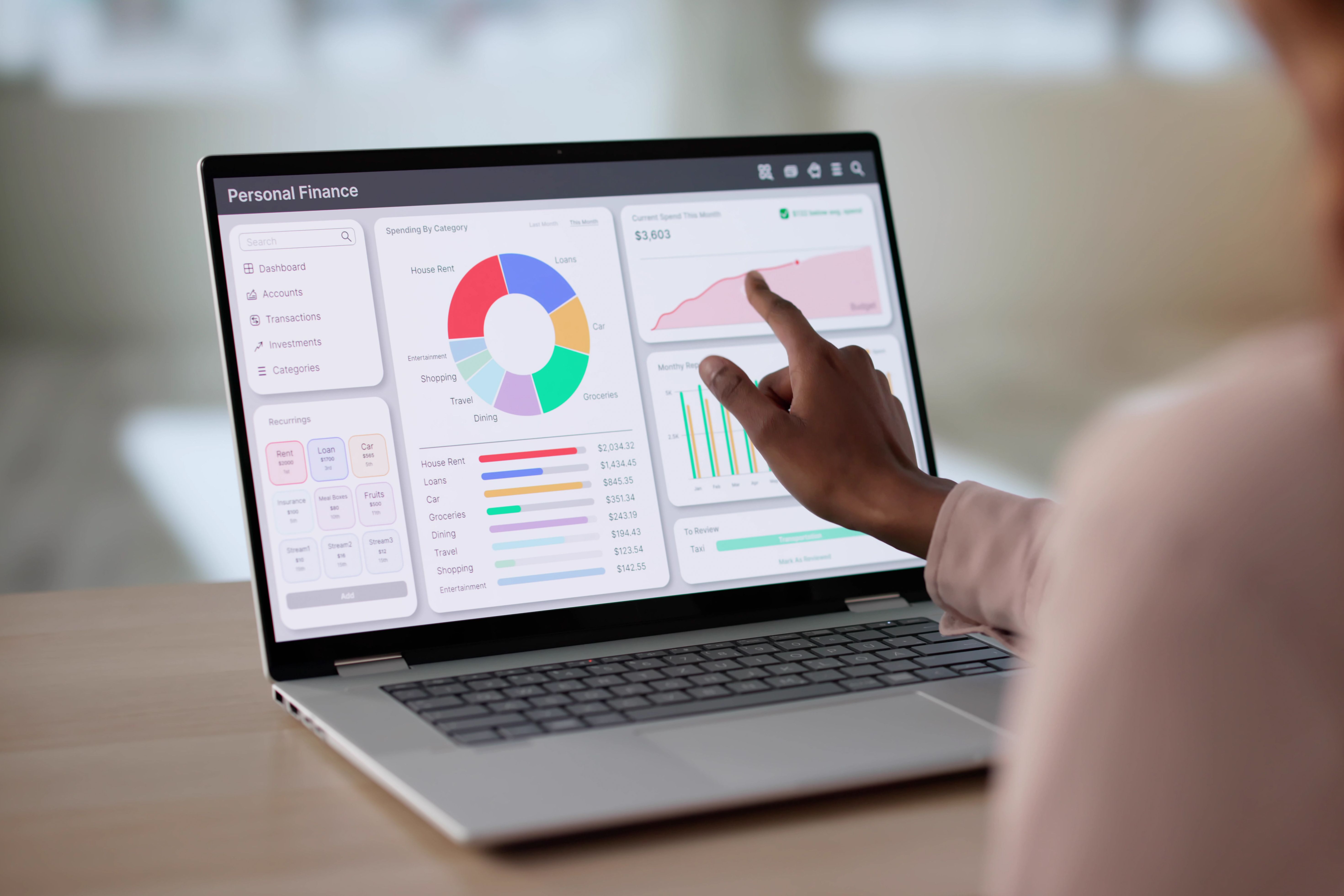
Debt consolidation offers several benefits that can significantly impact the financial health of an SME. Firstly, it simplifies the payment process by reducing multiple payments into one. This not only helps in better tracking but also in reducing the likelihood of missed payments. Secondly, by securing a loan with a lower interest rate, SMEs can save money in the long run.
Moreover, debt consolidation can improve an SME's credit score. Consistent, on-time payments on a consolidated loan can positively affect credit ratings, making future borrowing easier and more affordable. Importantly, it provides businesses with the breathing room needed to focus on growth and expansion rather than being bogged down by debt management.
Choosing the Right Debt Consolidation Strategy
When considering debt consolidation, Malaysian SMEs must evaluate their specific needs and financial situation. There are various consolidation strategies available, including:
- Personal Loans: These can be used to pay off business debts, often at a lower interest rate.
- Business Loans: Specifically tailored for businesses, these loans may offer better terms and higher amounts.
- Balance Transfer Credit Cards: These allow businesses to transfer high-interest credit card debt to a new card with a lower rate.

Working with Financial Experts
It is crucial for SMEs to work with financial experts or advisors when considering debt consolidation. These professionals can provide valuable insights into the best options available and help navigate the complexities of the process. They can also assist in negotiating better terms with lenders and ensuring that the consolidation strategy aligns with the business’s long-term goals.
Consulting with a financial expert ensures that SMEs are making informed decisions that will benefit their financial health and operational effectiveness. An expert can also help in identifying any hidden fees or potential pitfalls associated with consolidation loans.
Potential Risks and Considerations
While debt consolidation offers many advantages, it is important for SMEs to be aware of potential risks. For instance, some consolidation loans might require collateral, thereby increasing the risk if the business is unable to repay the loan. Additionally, extending the loan term could lead to paying more interest over time, even if monthly payments are reduced.
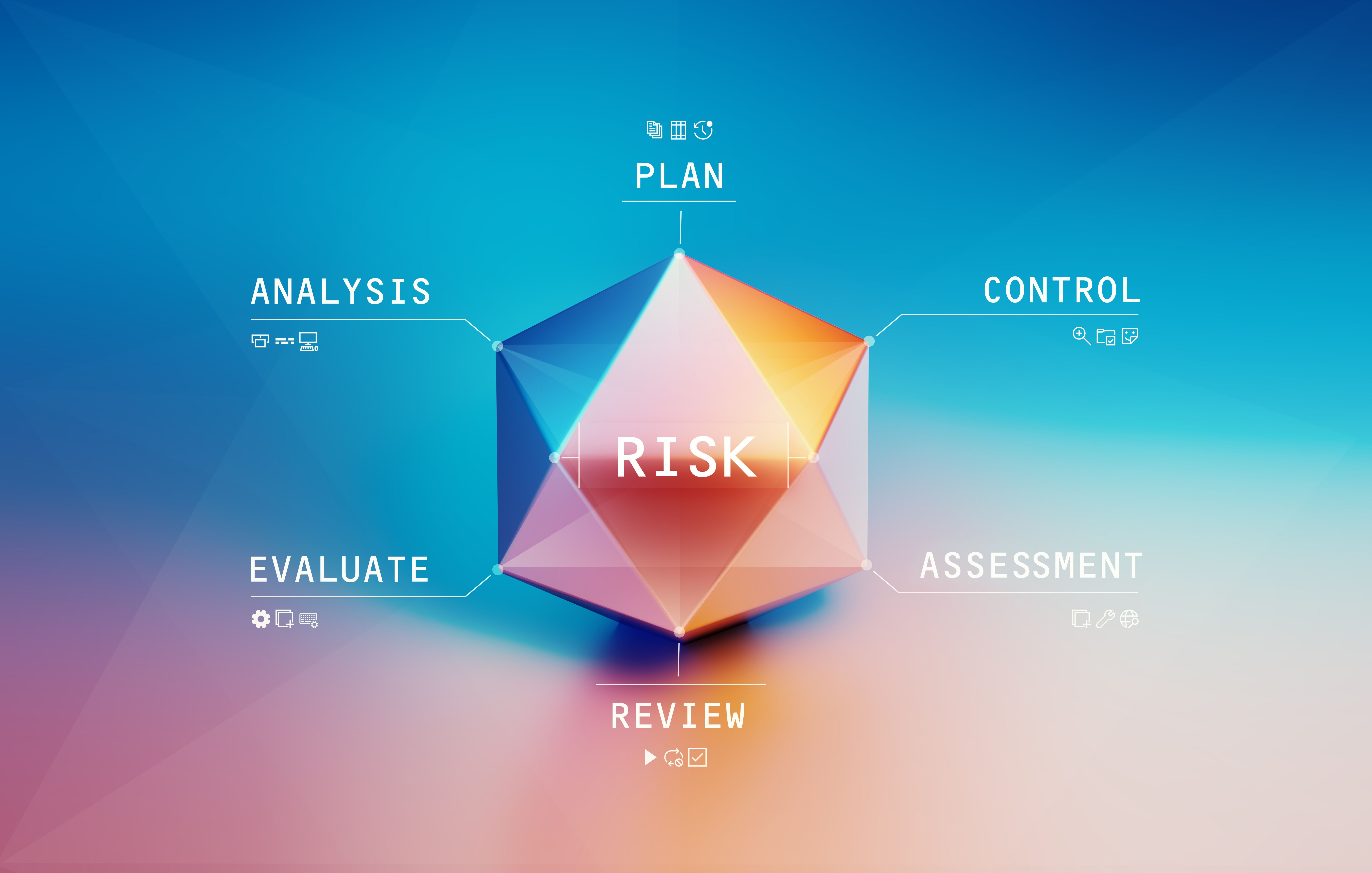
SMEs should perform a thorough analysis of their financials before proceeding with consolidation. Understanding the total cost of the new loan compared to existing debts is essential to ensure that consolidation is indeed beneficial. It is also important to maintain disciplined financial practices post-consolidation to avoid accruing new debts.
Conclusion
Debt consolidation can be a powerful tool for Malaysian SMEs looking to manage their debts more effectively. By understanding the available strategies, working with financial experts, and being mindful of potential risks, SMEs can leverage debt consolidation to enhance their financial stability and focus on future growth opportunities. With careful planning and execution, debt consolidation can pave the way for sustained business success.